

Getting older does not mean giving up on feeling your best. While aging naturally brings changes to the body, many everyday habits can make a meaningful difference in how you feel. Small choices, repeated consistently, often have a greater impact than dramatic lifestyle changes that are difficult to maintain. From staying active and eating nutritious meals to prioritizing sleep and managing stress, healthy routines can help support your physical and mental well-being. By making thoughtful decisions each day, you can improve your quality of life and continue enjoying the activities you love for years to come.
Support Your Recovery With Smart Wellness Choices
As we age, the body may take longer to recover from physical activity or everyday aches and pains. Along with regular exercise, proper nutrition, and quality sleep, many people also explore modern wellness tools to support recovery. Choosing the right red light therapy device may help complement a healthy lifestyle by supporting muscle recovery, promoting healthy skin, and encouraging overall wellness. While it is not a replacement for healthy habits or medical care, it can become one part of a balanced routine focused on long-term health.
Keep Your Body Moving Every Day
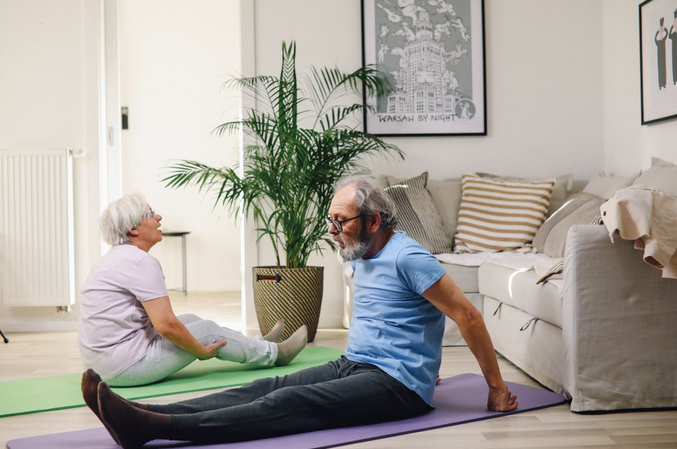
Regular movement is one of the most valuable habits for healthy aging. You do not need intense workouts to experience benefits. Walking, swimming, cycling, stretching, or practicing yoga can all improve flexibility, maintain muscle strength, and support heart health. Daily movement also helps improve balance, which becomes increasingly important for preventing falls as we get older. Finding activities you genuinely enjoy makes it much easier to stay consistent over time.
Focus on Nutritious, Balanced Meals
Healthy eating provides your body with the nutrients it needs to function well. A balanced diet that includes vegetables, fruits, lean proteins, whole grains, and healthy fats can support energy levels, immune function, and overall health. Staying hydrated is equally important because the body’s sense of thirst often decreases with age. Drinking enough water throughout the day helps support digestion, circulation, and cognitive function while reducing the risk of dehydration.
Prioritize Restful Sleep
Quality sleep plays an important role in helping the body repair itself. Poor sleep can affect mood, memory, and physical recovery, while consistent, restful sleep supports both mental and physical health. Creating a relaxing bedtime routine, limiting screen time before bed, and maintaining a regular sleep schedule can improve sleep quality. Even small improvements in sleep habits may leave you feeling more refreshed and energized during the day.
Take Care of Your Mental Well-Being

Good health is about more than physical fitness. Mental wellness deserves equal attention as you age. Activities such as reading, learning a new skill, solving puzzles, or engaging in creative hobbies help keep the mind active. Spending time with family and friends also supports emotional health by reducing feelings of loneliness and encouraging meaningful social connections. Managing stress through mindfulness, meditation, or simple breathing exercises can further contribute to overall well-being.
Stay Consistent With Preventive Care
Preventive healthcare becomes increasingly important over time. Regular medical checkups allow health concerns to be identified early, often before symptoms become more serious. Routine screenings, vaccinations, vision exams, and dental visits all contribute to maintaining long-term health. Paying attention to small changes in your body and discussing them with a healthcare professional helps you stay proactive rather than reactive.
Build Healthy Habits That Last
Long-lasting health improvements usually come from routines that fit naturally into your daily life. Rather than trying to change everything at once, focus on one or two habits that you can maintain consistently. Preparing healthy meals, scheduling time for exercise, drinking more water, and creating a regular sleep routine are all realistic goals that build momentum over time. Consistency is often more effective than perfection when it comes to supporting healthy aging.
Feeling healthier as you age is not about chasing perfection or following every new wellness trend. It is about making steady, practical choices that support your body and mind each day. By staying active, eating well, getting enough rest, caring for your mental health, and keeping up with preventive care, you can enjoy greater energy and a higher quality of life. Small habits practiced consistently today can help you stay healthier and more active in the years ahead.