
Category: Health

The Moisture Myth: Why Most Creams Don’t Actually Hydrate
We’ve all been there—slathering on our favourite moisturiser, expecting soft, dewy skin, only to find that a few hours later, it feels dry again. The truth is, most creams don’t actually add moisture to your skin the way you think they do. They might make your face feel smooth temporarily, but true hydration is about more than just surface softness. It’s time to bust the moisture myth and understand what’s really happening beneath your skin’s surface.
Surface Softness vs. Deep Hydration
 Many moisturisers work by coating the top layer of your skin with emollients or occlusives—ingredients that make it feel smooth and supple. While that can be satisfying in the short term, it doesn’t necessarily mean your skin is hydrated. True hydration requires drawing water into the deeper layers of the skin and keeping it there. That’s why many people who rely on thick creams still experience flakiness or tightness. For real results, you need to focus on ingredients that strengthen your skin’s moisture barrier.
Why Most Creams Miss the Mark
A lot of moisturisers are designed to feel luxurious, not necessarily to function effectively. Many contain silicones or mineral oils that create an instant silky finish but don’t actually help your skin retain water long-term. When the protective barrier is compromised—due to over-exfoliating, harsh cleansers, or environmental stress—even the richest cream won’t sink in properly. According to experienced dermotologists in Brisbane, a healthy skin barrier is the foundation of hydration. Without it, you’re just layering cream on top of a wall that can’t absorb what you’re giving it.
Hydration Starts From Within
Hydration isn’t just about what you apply—it’s also about what’s happening inside your body. Your skin draws moisture from the water content within your cells, which means diet, sleep, and overall health play major roles. Drinking enough water, eating omega-rich foods, and managing stress all help your skin maintain a balanced hydration level. Think of your skincare routine as a support system rather than the main act—your skin can only stay hydrated if the rest of your body is on the same page.
The Power of Humectants

If you want products that truly hydrate, look for humectants—ingredients like hyaluronic acid, glycerin, and panthenol. These attract water molecules to the skin, helping it stay plump and flexible. But there’s a catch: humectants need moisture in the air or from deeper skin layers to work. If you live in a dry climate and don’t use a proper occlusive layer on top, humectants can actually pull water out of your skin instead of into it. The key is to layer correctly—first a humectant-based serum, then a barrier-protecting moisturiser to seal everything in.
Fixing the Moisture Barrier
If your skin constantly feels dry, no matter how much cream you use, your moisture barrier might be compromised. This barrier—made up of lipids and proteins—acts like a shield to lock in hydration and keep out irritants. Overusing exfoliating acids, washing with hot water, or using harsh foaming cleansers can strip it down. …

Pain Management Through Lifestyle Changes: Posture, Sleep, and Exercise
Pain is often treated with quick solutions like pills or topical creams. While they may provide temporary relief, they rarely address the root cause. Lifestyle factors such as posture, sleep, and exercise play a larger role in how the body experiences and manages pain. Small but intentional changes in these areas can reduce discomfort, restore function, and improve quality of life in ways medicine alone cannot achieve.
The Role of Posture in Pain Relief
Posture is more than how you look when standing or sitting. It shapes how your muscles, joints, and spine work together. Poor posture adds stress to certain areas of the body, leading to chronic pain in the back, neck, and shoulders. Over time, these misalignments weaken muscles and create imbalances that make pain worse. Improving posture begins with awareness. Sitting with your feet flat, shoulders back, and head aligned reduces strain. Standing tall with weight evenly distributed helps too. For those who spend hours at a desk, ergonomic chairs and proper screen positioning can make a big difference. Good posture not only minimizes discomfort but also prevents new pain from developing.
The Mind-Body Connection

Pain is not only physical. Stress, anxiety, and mood changes influence how pain is perceived. Lifestyle changes such as yoga, meditation, or breathing exercises promote relaxation and balance. These practices calm the nervous system and lower stress hormones that can amplify discomfort. By connecting the body and mind, people often notice a shift. Pain feels more manageable, and resilience improves. This unique combination of physical care and mental calm can transform how pain is experienced on a daily basis.
Sleep and Its Connection to Pain
Sleep is often overlooked in pain management, yet it plays a critical role. Poor sleep lowers the body’s threshold for pain, making discomfort feel more intense. It also slows down healing and affects mood, which can create a cycle of unrest and sensitivity. Creating a sleep routine helps break this cycle. A consistent schedule, a dark and quiet environment, and limiting screen time before bed support restorative rest. Choosing the right mattress and pillows also matters. They should keep the spine aligned and relieve pressure points. With quality sleep, the body repairs tissues and restores energy, reducing the perception of pain over time.
Exercise as a Natural Pain Reliever

Exercise is one of the most effective tools for long-term pain management. It improves circulation, strengthens muscles, and increases flexibility. These benefits reduce strain on joints and provide the support needed to protect vulnerable areas of the body. Low-impact activities such as walking, swimming, or cycling are gentle yet powerful. They keep the body active without overwhelming it. Strength training builds resilience in muscles that support the spine and joints. Stretching enhances mobility and reduces stiffness. When exercise becomes a habit, pain often lessens and physical function improves.
Build Consistency With Lifestyle Habits
Making changes is not always easy, but consistency is essential. The body responds best when healthy choices are practiced regularly. A good posture today will …
The Therapeutic Potential of Cannabis: A Look Into Medical Marijuana
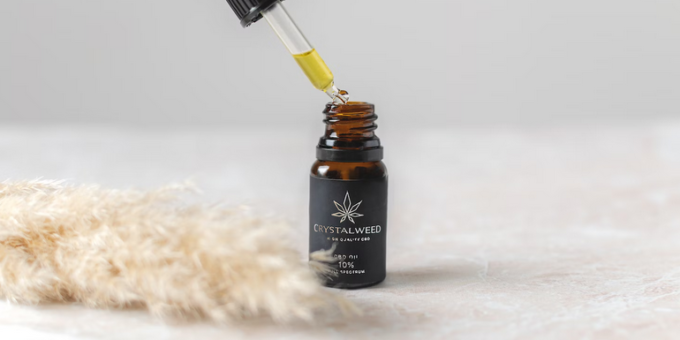
If you’re here, it’s clear that you prefer cannabis over OTC medications for your wellness. Dank gummies and other edibles can surely offer you the best benefits of cannabis once you take them low and slow. Today, we embark on a journey into the world of medical marijuana and its therapeutic potential. While cannabis has long been associated with recreational use, its medicinal properties have gained significant attention in recent years.
Pain Relief

Medical marijuana has shown remarkable potential in alleviating pain in the body. The compounds found in cannabis basically can interact with the body’s endocannabinoid system to help alleviate discomfort and promote a sense of well-being. Aanother compound called CBD (cannabidiol) has gained attention for its non-intoxicating properties and analgesic effects. CBD interacts with the brain receptors and immune system, reducing inflammation and modulating pain perception. This makes it an appealing option for individuals suffering from chronic issues such as arthritis or fibromyalgia. Additionally, medical marijuana can be used alongside traditional pain management strategies to enhance their effectiveness.
Soothing Anxiety and Depression
While there are various treatment options available, some individuals have found relief in an unexpected source: medical marijuana. Research suggests that certain compounds found in cannabis may help soothe symptoms of anxiety and depression. One such compound is cannabidiol (CBD), which has gained popularity for its potential therapeutic effects. CBD also interacts with some parts of receptors in the brain associated with mood regulation, potentially reducing feelings of anxiety and improving overall well-being.
In addition to CBD, tetrahydrocannabinol (THC) is another component of marijuana that may provide relief for those struggling with these mental health conditions. THC has been shown to produce a calming effect on the mind and body, helping individuals feel more relaxed and less anxious.
Alleviating Chemotherapy-Related Symptoms

Chemotherapy is often a vital treatment for cancer, but it often comes with a host of unpleasant side effects. From nausea and vomiting to loss of appetite and debilitating pain, these symptoms can significantly impact the quality of life for patients undergoing this grueling therapy. Fortunately, medical marijuana has shown promise in alleviating many chemotherapy-related symptoms. Research suggests that certain compounds found in cannabis, such as THC and CBD, may help reduce nausea and vomiting by interacting with receptors in the brain responsible for regulating these processes.
Potential Neuroprotective Properties
In recent years, there has been growing interest in the potential neuroprotective properties of cannabis. Preliminary research suggests that certain compounds found in marijuana may have a beneficial effect on the brain and nervous system. One compound in particular, cannabidiol (CBD), has shown promise as a neuroprotectant. Studies have indicated that CBD may help protect against oxidative stress, inflammation, and damage to brain cells. This could have various implications for cognitive conditions such as Alzheimer’s disease, Parkinson’s disease, and even multiple sclerosis.
The therapeutic potentials of cannabis and medical marijuana cannot be ignored. From pain relief to soothing anxiety and depression, alleviating chemotherapy-related symptoms, and potential neuroprotective properties, this plant has shown promising results in …

Non-Surgical Treatment Options for Back Pain
Are you tired of living with constant back pain? Are you looking for non-surgical treatment options to find relief? Well, you’re in luck. In this blog post, we will explore some effective and natural ways to address back pain without surgery. From chiropractic care to acupuncture, various approaches can help alleviate your discomfort and improve your quality of life. So, let’s dive right in and discover the non-invasive solutions that could be the key to a pain-free back.
Chiropractic Care
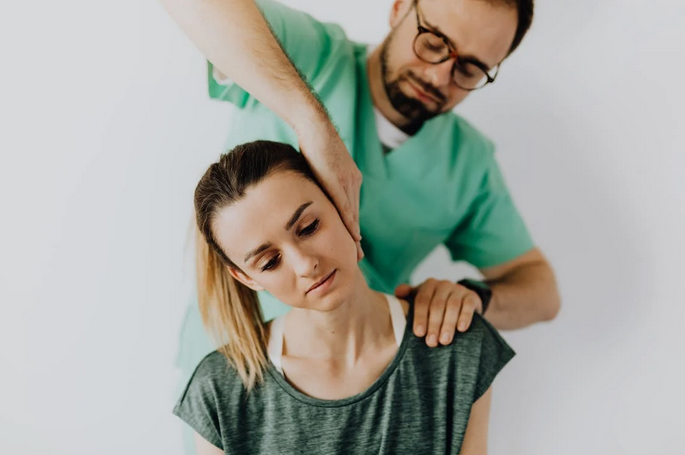
Chiropractic care is a popular non-surgical treatment option for back pain that focuses on the spine’s and other joints’ alignment. A chiropractor uses manual manipulation techniques to help restore proper function and mobility, ultimately reducing pain. During a chiropractic session, your chiropractor will assess your specific condition and develop a personalized treatment plan. Using their hands or specialized tools, they will apply controlled pressure to targeted areas of your spine to realign any misalignments, known as subluxations. If you are based in Los Angeles and have been experiencing persistent back pain, this is your sign to find the best chiropractors in Los Angeles right away.
Physical Therapy
Physical therapy is a non-surgical treatment option that focuses on improving mobility, strength, and function in the body. It involves various therapeutic exercises and techniques to address back pain and promote healing. One of the main goals of physical therapy is to reduce pain and inflammation. Therapists use targeted exercises and manual techniques to alleviate discomfort in the back area. These can include stretching, strengthening exercises, hot or cold packs, ultrasound therapy, or electrical stimulation. In addition to reducing pain, physical therapy aims to improve flexibility and range of motion. Through specific stretches and movements tailored to an individual’s needs, therapists work on increasing joint mobility and muscle flexibility.
Acupuncture
 Acupuncture is an alternative treatment option used for centuries to alleviate back pain. This ancient Chinese practice involves the insertion of thin needles into specific points on the body, known as acupuncture points. These points are believed to correspond to different organs and systems in the body. The theory behind acupuncture is that by stimulating these points, it can help restore balance and promote healing in the body. While research on acupuncture for back pain is ongoing, many claim that it relieves their symptoms. One of the reasons why acupuncture may be effective for back pain is its ability to stimulate the release of endorphins – chemicals in the body that act as natural painkillers. Additionally, it may improve blood circulation and reduce inflammation in affected areas.
Exercise and Stretching
Exercise and stretching are key components in the non-surgical treatment of back pain. Engaging in regular physical activity can help strengthen the muscles that support the spine, improve flexibility, and reduce discomfort. Various exercises can specifically target different areas of the back. For example, gentle, low-impact aerobic exercises like walking or swimming can increase blood flow to the spine and promote healing. Core-strengthening exercises such as planks or bridges can help stabilize the …

Maximizing Muscle and Health With Selective Androgen Receptor Modulators
Are you looking to enhance your muscle growth and overall health? Selective Androgen Receptor Modulators (SARMs) may be the solution for you. SARMs are a class of compounds that selectively bind to androgen receptors in the body, promoting muscle growth and preventing muscle wasting. Unlike anabolic steroids, SARMs are relatively safe and have fewer side effects. In this blog post, we’ll take a closer look at the benefits when you buy mk677 for maximizing muscle growth and improving overall health. We’ll explore how SARMs work, their different types, and their potential side effects. We’ll also discuss properly using SARMs, including dosages and cycles.
Introducing Selective Androgen Receptor Modulators
Selective Androgen Receptor Modulators, or SARMs, are a class of compounds that bind to androgen receptors in the body, selectively activating these receptors in a manner that is distinct from anabolic steroids and other performance-enhancing drugs. SARMs have been developed as a potential treatment for various medical conditions, including muscle wasting, osteoporosis, and other conditions associated with muscle loss. However, SARMs have also become popular in the fitness community for their potential to enhance muscle growth and strength, with many athletes and bodybuilders incorporating these compounds into their training regimens.

How SARMs Promote Muscle Growth
Selective Androgen Receptor Modulators, or SARMs, have recently gained popularity in the fitness and bodybuilding community as a potential alternative to anabolic steroids for promoting muscle growth. But how exactly do SARMs work? SARMs bind to androgen receptors in the body, similar to anabolic steroids, but with more selectivity and specificity. This means that SARMs specifically target muscle and bone tissue while minimizing any potential negative side effects on other organs, such as the liver or prostate.
By binding to these receptors, SARMs activate the same pathways that contribute to muscle growth and development, increasing lean muscle mass and improving athletic performance. Additionally, SARMs have been shown to positively impact bone density, making them a potential treatment for conditions such as osteoporosis. While further research is needed to fully understand the long-term effects of SARMs on the body, their potential as a tool for maximizing muscle growth and health is an exciting development in the field of fitness and bodybuilding.
SARMs and Their Health Benefits
SARMs selectively target androgen receptors in muscle tissue, increasing protein synthesis and muscle growth. They are a promising alternative to traditional anabolic steroids, as they have fewer side effects and are less likely to cause harm to the liver, heart, and other organs. In addition to their muscle-building benefits, SARMs have been found to improve bone density, reduce body fat, and increase insulin sensitivity. However, it is essential to note that SARMs are not without risks and should only be used under the guidance of a healthcare professional. Potential side effects may include hormonal imbalances, liver toxicity, and cardiovascular complications. As with any supplement or medication, it is crucial to weigh the potential benefits and risks before considering the use of SARMs.
In Conclusion
Selective Androgen Receptor Modulators (SARMs) can provide a …

The Best Exercises for Killer Abs
Everyone wants killer abs. This sometimes includes women. Who says women can’t get the same toned and defined abs as men? With dedication and hard work, women can certainly achieve their goals when it comes to getting great upper and lower abs. Unfortunately, not many people know how to get them. This is even worse if they choose to skip taking the best fat burners for women. That’s why we’re here to help. Let’s take a closer look at the best exercises for upper and lower abs and how to do them correctly. So whether you’re a beginner or an experienced fitness enthusiast, read on for some helpful tips.
Ab Rollout
Let’s start with a bit of a challenge. Ab rollouts are one of the best exercises you can do for your upper and lower abs. This exercise requires stability, as it involves rolling out from a kneeling position to an extended plank position. To start, place your hands on an ab roller or in front of you with your palms flat on the floor. Keep your back straight and shoulders back.
Slowly roll your hands forward, extending your arms out in front of you as far as you can without arching or rounding your back. Keep going until your body forms a straight line from head to toe, and then roll yourself back up to the starting position. Do three sets of 10 reps for best results.
Hanging Knee Raise
Another move for toning your upper abs is the hanging knee raise. This exercise is great for targeting your abdominal muscles and strengthening your core. To do this, you’ll need to start by gripping a pull-up bar with an overhand grip slightly wider than shoulder-width apart. Hang from the bar and keep your legs straight and together. Then, slowly raise your legs up toward your chest, bending at the hips and knees. Once your knees are raised to the height of your chest, hold for a few seconds before lowering them back down. Three sets of 10 reps should be enough for the best results.

Weighted Stability Ball Crunch
Now let’s focus on the lower abs. The weighted stability ball crunch is excellent for targeting and toning your lower abdominal muscles. It also provides an extra challenge by adding resistance through weights. Let me demonstrate. First, start by lying flat on your back with a stability ball tucked between your feet and calves.
Place your hands behind your head as if doing a standard crunch. Now lift your upper body off the floor and press the stability ball downward with your legs and feet. Hold at this position for a few seconds before slowly returning to the starting position. Just like the other, make 10 reps three times, and you’ll be good to go.
Dragon Flags
Finally, we have the dragon flags. This challenging move requires a lot of lower body strength and stability. To make this move start by lying flat on your back with your arms extended …

4 Signs of Nicotine Addiction
Do you know someone who can’t seem to put down their cigarettes? They might be addicted to nicotine. Nicotine is a powerful drug that can be difficult to quit. Nicotine is also found in vape juices. If you plan on buying vapes for your friends, you should consider buying from the vape wholesale distributor florida. Here, we will discuss four signs of nicotine addiction. If you or someone you know is struggling with nicotine addiction, getting help is essential.
Trouble Sleeping
 The first sign of nicotine addiction is difficulty sleeping. Nicotine has a stimulant effect on the body and can make it harder to fall asleep. It can also lead to problems such as insomnia, restlessness, and fatigue during the day. Nicotine users may need more cigarettes just to get through their workday or other activities. Many think that smoking cigarettes helps them relax, but in reality, it makes their sleeplessness worse.
Weight Changes
The second sign of nicotine addiction is weight changes. Nicotine can increase the body’s metabolic rate and cause weight loss or gain. It can also contribute to cravings for unhealthy foods, leading to further weight gain. So if you have noticed a sudden weight change, it could be due to nicotine addiction. It is important to visit a doctor if you are experiencing any unusual weight changes. They will help you determine the cause and recommend the necessary treatment.
Increased Tolerance
The third sign of nicotine addiction is an increased tolerance. When people become addicted to nicotine, they will require more of it to get the same effects. This can lead to smoking or vaping more often and in higher doses than before. It can also make quitting much harder since the body will require larger amounts of nicotine to feel the same effect. Many people find it difficult to quit smoking or vaping after becoming addicted.
Increased Anxiety
 The fourth sign of nicotine addiction is increased anxiety. Nicotine can lead to feelings of anxiousness, irritability, and even depression in some cases. Nicotine users may find themselves feeling overwhelmed or anxious more easily than before they started using it. It can also lead to mood swings and an inability to regulate emotions. Anxiety can be a serious issue and should not be ignored. Many people have found that seeking professional help can be beneficial in managing these symptoms.
If you or someone you know is struggling with nicotine addiction, it’s important to seek help. There are a variety of treatments available, including behavioral therapy, medications, and support groups. It’s also important to have a supportive network of friends and family who can provide encouragement and understanding. With the right treatment, it is possible to overcome nicotine addiction and live a healthier life.…

The Surprising Health Benefits of Cannabis
Marijuana has been used for centuries to treat a variety of medical conditions. In recent years, there has been a lot of research on the health benefits of cannabis, and it has been effective in treating a wide range of health problems. Its effectiveness is the reason weed delivery mississauga orders have increased. Here are some of the surprising health benefits of cannabis:
Pain Relief
Marijuana has been shown to be effective in treating chronic pain, and it is now being used by many people who suffer from conditions like arthritis and fibromyalgia. Cannabis is also effective in treating other forms of pain, such as migraines and menstrual cramps. Famous individuals like Queen Victoria and writer Lewis Carroll used cannabis to treat their chronic pain.

Anxiety Relief
Cannabis has also been shown to be effective in treating anxiety. In one study, people who used cannabis for anxiety reported decreased symptoms. Cannabis is thought to work by reducing the level of stress hormones in the body, which can help to reduce anxiety.
Helps ADHD Patients
As much as people associate marijuana with couch-lock and laziness, recent studies have shown that cannabis can help to improve your focus and concentration. In one study, people who used cannabis for ADHD reported decreased symptoms. Cannabis is thought to work by increasing the level of dopamine in the brain, which can help to improve focus and concentration.
Boosts Creativity
Cannabis has also been shown to boost creativity. In one study, people who used cannabis for creativity reported increased creative output. Cannabis is thought to work by increasing the level of dopamine in the brain, which can help to improve focus and concentration.
Other studies show cannabis has multiple positive impacts on the brain because of the cannabinoid receptors in our endocannabinoid system. Research suggests that cannabis can help protect the brain from damage and has also been shown to be effective in treating Alzheimer’s disease.
Soothe Nausea
Cannabis is also effective in treating nausea, and it is now being used by many cancer patients who suffer from chemotherapy-induced nausea. Cannabis is thought to work by reducing the level of stress hormones in the body, which can help to reduce nausea.
There are many other health benefits of cannabis, and this is just a small sampling. With more and more research being conducted on the health benefits of cannabis, we will likely discover even more uses for this versatile plant.…