
Tag: pain

Pain Management Through Lifestyle Changes: Posture, Sleep, and Exercise
Pain is often treated with quick solutions like pills or topical creams. While they may provide temporary relief, they rarely address the root cause. Lifestyle factors such as posture, sleep, and exercise play a larger role in how the body experiences and manages pain. Small but intentional changes in these areas can reduce discomfort, restore function, and improve quality of life in ways medicine alone cannot achieve.
The Role of Posture in Pain Relief
Posture is more than how you look when standing or sitting. It shapes how your muscles, joints, and spine work together. Poor posture adds stress to certain areas of the body, leading to chronic pain in the back, neck, and shoulders. Over time, these misalignments weaken muscles and create imbalances that make pain worse. Improving posture begins with awareness. Sitting with your feet flat, shoulders back, and head aligned reduces strain. Standing tall with weight evenly distributed helps too. For those who spend hours at a desk, ergonomic chairs and proper screen positioning can make a big difference. Good posture not only minimizes discomfort but also prevents new pain from developing.
The Mind-Body Connection

Pain is not only physical. Stress, anxiety, and mood changes influence how pain is perceived. Lifestyle changes such as yoga, meditation, or breathing exercises promote relaxation and balance. These practices calm the nervous system and lower stress hormones that can amplify discomfort. By connecting the body and mind, people often notice a shift. Pain feels more manageable, and resilience improves. This unique combination of physical care and mental calm can transform how pain is experienced on a daily basis.
Sleep and Its Connection to Pain
Sleep is often overlooked in pain management, yet it plays a critical role. Poor sleep lowers the body’s threshold for pain, making discomfort feel more intense. It also slows down healing and affects mood, which can create a cycle of unrest and sensitivity. Creating a sleep routine helps break this cycle. A consistent schedule, a dark and quiet environment, and limiting screen time before bed support restorative rest. Choosing the right mattress and pillows also matters. They should keep the spine aligned and relieve pressure points. With quality sleep, the body repairs tissues and restores energy, reducing the perception of pain over time.
Exercise as a Natural Pain Reliever
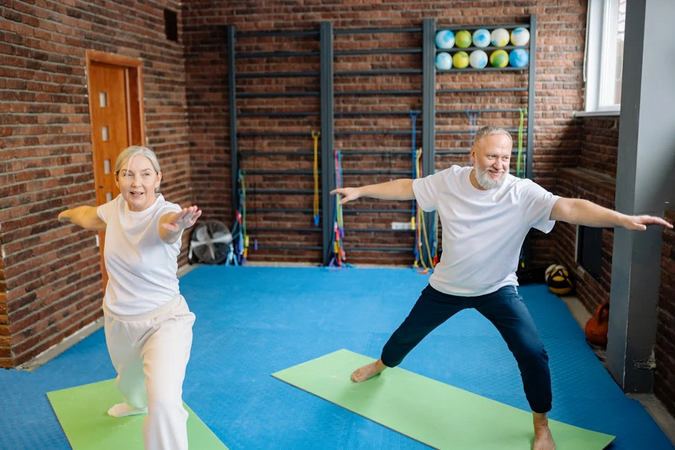
Exercise is one of the most effective tools for long-term pain management. It improves circulation, strengthens muscles, and increases flexibility. These benefits reduce strain on joints and provide the support needed to protect vulnerable areas of the body. Low-impact activities such as walking, swimming, or cycling are gentle yet powerful. They keep the body active without overwhelming it. Strength training builds resilience in muscles that support the spine and joints. Stretching enhances mobility and reduces stiffness. When exercise becomes a habit, pain often lessens and physical function improves.
Build Consistency With Lifestyle Habits
Making changes is not always easy, but consistency is essential. The body responds best when healthy choices are practiced regularly. A good posture today will …